Skip Hire, Waste Rules and Fines in Honor Oak
Posted on 30/07/2026
![An aerial view of a large outdoor storage yard containing rows of metal and wooden furniture, including chests, cabinets, and shelves, arranged on concrete ground. Some items are stacked or placed side by side, with visible signs of use such as rust or scratches. To the left, there are scattered packing materials like plastic sheets and cardboard boxes. A narrow pathway runs through the middle of the yard, separating different sections of furniture. Around the edges, there are additional items such as large rolls of packing material and smaller pieces. The scene is well-lit by natural daylight, and in the lower part of the image, part of a vehicle with a white body is visible. This setting represents a typical furniture storage or packing area used during house removals and home relocation services, illustrating the preparation and organization involved in furniture transport by [COMPANY_NAME].](/pub/blogphoto/skip-hire-waste-rules-and-fines-in-honor-oak1.jpg)
If you are planning a clear-out, a renovation, or a move in SE23, getting the waste side wrong can be more expensive than the skip itself. That is the awkward truth. Skip Hire, Waste Rules and Fines in Honor Oak is not just about choosing a container and filling it up; it is about where the skip sits, what goes inside it, who is responsible for it, and how to avoid the kind of mistake that leads to a knock on the door, a warning notice, or a fine. In a place like Honor Oak, where parking can be tight and streets can be busy, the practical details matter just as much as the waste type.
This guide walks you through the essentials in plain English: how skip hire usually works, which waste rules you need to keep in mind, what commonly triggers fines, and the smarter choices if you are trying to keep a move or declutter project running smoothly. If you are juggling boxes, old furniture, and a deadline, you will find this useful.
Why Skip Hire, Waste Rules and Fines in Honor Oak Matters
Waste management sounds dull until it goes wrong. Then it becomes very memorable, very quickly. In Honor Oak, the mix of residential roads, shared access, limited front-garden space, and occasional parking pressure means skip hire needs a bit of thought. A skip left in the wrong place, overfilled, or used for the wrong type of waste can create problems for you, your neighbours, and sometimes the public highway too.
For homeowners, renters, landlords, and businesses, the stakes are not the same, but the principle is. You are responsible for making sure waste is handled properly from the moment it leaves your property. If a skip is placed on the road, permit rules and street safety come into play. If controlled waste is mixed with prohibited items, disposal becomes a compliance issue. And if rubbish is dumped somewhere unofficial because a project ran over budget, that can slide into fly-tipping territory, which is where things really start to sting.
In practical terms, this topic matters because waste fines are rarely random. They are usually the result of a preventable mistake: no permit, poor segregation, unsafe placement, overspill, or using an unlicensed collector. And yes, the fine itself hurts, but the hidden cost is time. A delayed clearance can hold up a house move, an end-of-tenancy clean, or a building job. That is the part people underestimate.
There is also a trust issue. If you are booking a clearance or coordinating a move, you want the whole process to feel under control. That is why related planning content such as efficient moving tips for zero stress and how to spot hidden removal fees in SE23 can be surprisingly useful. Waste and removals are often part of the same job, not separate worlds.
How Skip Hire, Waste Rules and Fines in Honor Oak Works
At a simple level, skip hire is straightforward: you choose a skip size, book delivery, fill it within the rules, and have it collected. In real life, there are a few moving parts. The first is where the skip will go. If it sits on your driveway or private land, the setup is usually easier. If it needs to go on the road or pavement, permission is normally involved, and the exact process depends on local authority requirements. That is where many people get caught out.
The second part is the waste type. General mixed waste is common for household clear-outs, but not everything belongs in a skip. Hazardous materials, electrical items, tyres, batteries, fridges, and certain chemicals may need separate handling. A skip is not a magic bin. It still has rules, and those rules are there because disposal facilities need to process materials safely and legally.
The third part is loading. A skip must not be overfilled beyond the level marked by the provider, and waste should be distributed sensibly. Heavy items go in first. Loose light waste can be added later, but only if there is still safe space. If rubble, soil, and mixed household items are all being thrown in together, it becomes even more important to ask what weight limits and loading advice apply. A badly loaded skip can be unsafe to transport and may be refused.
Then there is the fine risk. Fines usually arise when waste is placed improperly, a permit is ignored, or waste is tipped without proper control. In some cases the issue is not even the skip itself, but the way waste is left beside it. That stray sofa, mattress, or pile of bagged rubbish can be treated as dumped waste if it is left on the street. Let's face it, one bag too many at the kerb can turn a tidy plan into an ugly headache.
For people moving house in the area, the logistics often overlap with access challenges too. If you are dealing with tight streets or awkward loading points, the advice in when Honor Oak lanes block a van alternatives and moving access at Blythe Hill Fields parking tips can help you think through the space you actually have, not the space you wish you had.
Key Benefits and Practical Advantages
Used properly, skip hire is still one of the cleanest ways to handle bulky waste in a short timeframe. You get a single container, a clear disposal route, and less back-and-forth than repeated car trips to a recycling facility. That matters if you are working to a deadline. It also reduces the chance of turning your hallway, garden, or pavement into a temporary junk zone. Nobody wants that. Not you, not the neighbours, and certainly not the person trying to park outside.
Here are the main practical advantages:
- Speed: A skip can absorb a lot of waste in one go, which is ideal for renovations, clear-outs, and moving day purges.
- Organisation: Having one designated place for waste helps keep the rest of the property usable.
- Safer handling: You are less likely to over-manage heavy loads by hand when the waste is going into a planned container.
- Cleaner compliance: A licensed and correctly used skip setup is easier to defend if anyone questions how waste was handled.
- Better project flow: Your move, refurbishment, or declutter is less likely to stall because rubbish is stacked everywhere.
There is also a quiet but real benefit: reduced stress. People underestimate how much mental energy gets burned when waste is left unresolved. Once the old mattress, broken shelving, and three random bags of "we'll sort it later" are gone, the whole place feels lighter. In our experience, that shift is often as valuable as the physical clearance itself.
If your clear-out is tied to a bigger move, you may also find the decluttering blueprint helpful, because waste planning and decluttering are basically cousins. They should be treated that way.
Who This Is For and When It Makes Sense
Skip hire in Honor Oak makes sense for people who have more waste than a regular bin collection or a few small trips can reasonably handle. That includes homeowners doing a refresh, tenants at the end of a lease, landlords between lets, tradespeople, and anyone dealing with bulky, awkward, or mixed waste. It also suits people who need the mess gone fast, rather than spread over several weekends.
It is especially relevant if you are:
- clearing out a loft, garage, shed, or storage room
- removing old furniture after a move
- disposing of renovation debris like broken plasterboard, timber, or tiles
- tidying up after a tenancy handover
- handling office or commercial clearance waste
- managing a property where access is awkward and repeated trips are a pain
For students and flat-dwellers, the logic is slightly different. You may not need a full skip, but you do need a sensible way to remove bulky waste without blocking shared entrances or upsetting building rules. That is where smaller-scale support can be more practical. A quick read of the Honor Oak Park Station moves local checklist can also give you a feel for how local logistics shape decision-making in the area.
It makes less sense if you only have a handful of bags, a small broken item, or one appliance that needs specialist disposal. In those cases, a smaller removal arrangement or a targeted collection may be better value. Truth be told, booking a skip for five bin bags is a bit like hiring a van to move a teacup.
Step-by-Step Guidance
Here is the cleanest way to approach the whole thing without making it more complicated than it needs to be.
- List the waste types first. Separate general household waste, bulky items, rubble, garden waste, timber, and anything potentially hazardous. This one step can save a lot of friction later.
- Estimate volume honestly. People tend to undercount. If the room looks full now, the waste pile may be bigger than you think once everything is broken down.
- Check access and placement. Decide whether the skip can go on private land or whether road placement is the only option. If the road is the only viable location, plan for the permit process early.
- Confirm acceptable waste categories. Ask the provider what can and cannot go in. Do not assume every item from a house or office move is fine.
- Book delivery around your timeline. If the skip arrives too early, it can get in the way. Too late, and rubbish starts accumulating in corners.
- Load it in the right order. Put heavy material low and evenly spread. Keep the load within the safe fill line.
- Keep prohibited items out. Separate anything that needs special handling, even if it is annoying. Especially if it is annoying.
- Arrange collection promptly. Once the job is done, get the skip removed so the street or driveway is not left cluttered.
If you are coordinating the waste removal with a broader move, it helps to think in parallel. Packing, lifting, cleaning, and disposal all move faster when the order is right. That is why people often pair waste planning with resources like packing done right and pre-moving-out cleanliness. The smoother the sequence, the fewer surprises.
Expert Tips for Better Results
Small decisions make the biggest difference here. The people who avoid fines and delays usually do a few boring things well. Boring, but effective.
First, protect the pavement and the neighbours' sanity. If the skip is going near a shared space, think about visibility, access, and how pedestrians will move around it. You do not want people stepping into the road because the container is awkwardly placed. A bit of caution here goes a long way.
Second, segregate waste before it reaches the skip. Keep reusable items, recyclable material, and regulated waste apart if possible. It saves time, and it can reduce disposal headaches. If you are clearing out furniture as part of a move, you may want to look at sofa storage tips for lasting freshness or dormant freezer storage advice when items are being held temporarily rather than thrown away.
Third, watch the weather. Wet waste gets heavier. A Monday morning drizzle may not look like much, but it can change the weight profile and make loading messier. It also makes cardboard, paper, and light packaging more awkward to handle.
Fourth, keep a photo record. This is a simple one. If the skip is positioned on your land or if you are managing waste as part of a property handover, a few photos can help show how things were left. Not every job needs it, but it is reassuring when there are multiple people involved.
Fifth, be realistic about lifting. Heavy waste and awkward items are where people tweak backs or damage walls. If you are moving large loads yourself, some of the ideas in solo heavy lifting techniques and kinetic lifting basics are worth understanding before you start shifting wardrobes, broken shelving, or boxy junk down the stairs.
And one more, because it saves a lot of bother: keep the skip area tidy while the job is live. It sounds obvious. Yet somehow there is always one rogue plank or bag that escapes into the path. Always.
Common Mistakes to Avoid
The same mistakes come up again and again, usually because people are rushing. Fair enough, moves are stressful. But the waste bill tends to punish speed without planning.
- Using the wrong waste stream: Not everything can go in a general skip. Mixed waste is common, but some items need separate handling.
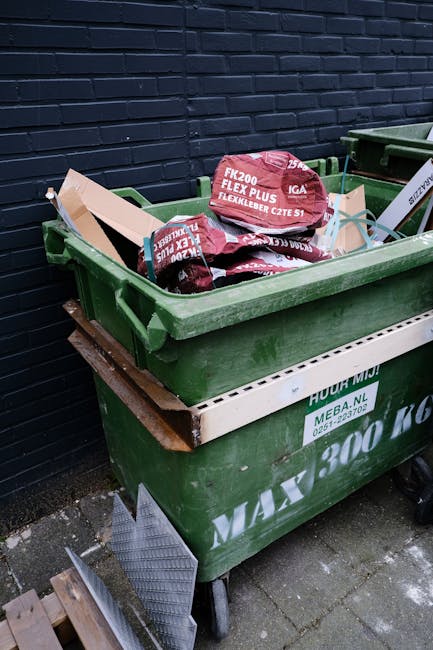
- Overfilling the skip: Going above the fill line is a classic problem and can lead to collection issues or additional charges.
- Ignoring permit requirements: If the skip is on a public road or pavement, do not assume it is automatically fine.
- Leaving waste beside the skip: Even a small pile outside the container can become a liability.
- Booking too late: If the skip turns up after demolition, boxing, or packing has already started, the whole site becomes cluttered.
- Forgetting access constraints: Narrow roads, parked cars, and tight turning areas can cause delays. This comes up a lot in SE23.
- Mixing reusable items with rubbish: Once useful items are damaged or contaminated, they are harder to pass on or recycle.
For local awareness, the article Lewisham Council move permits and Honor Oak rules is worth a look if your project intersects with parking or street use. If you are unsure which local authority affects your address, which council covers SE23 is the sort of practical question that saves time before a booking is made.
Tools, Resources and Recommendations
You do not need a truckload of equipment to manage waste properly, but a few basics help a lot. Gloves, a dolly or sack truck, strong bags, a tape measure, and a simple marker pen for sorting can make the day feel less chaotic. If the job involves bulky furniture, protective blankets and straps are also useful. Sometimes the little things prevent the big bruises.
For planning, a tape measure is underrated. It tells you whether the item will fit through the doorway, whether the skip placement is sensible, and whether a delivery vehicle will have room to work. Measure first. Guessing is a risky hobby.
If you are coordinating waste with removals, the following resources on this site can help shape a more efficient plan:
- recycling and sustainability for a more responsible approach to disposal and reuse
- health and safety policy to reinforce careful handling habits
- insurance and safety if you want to think through practical risk
- pricing and quotes to help compare the cost of alternatives
- services overview if you are deciding whether a skip or a removal-based solution suits the job better
It is also sensible to keep a simple checklist on paper or your phone. A lot of waste mistakes happen because people rely on memory while juggling five other things. Human beings are brilliant, but on move day? A bit less so.
Law, Compliance, Standards, or Best Practice
Without getting too legalistic, the safest approach is to treat waste as something that must be traceable, correctly sorted, and responsibly disposed of. In the UK, the broad expectation is that household, commercial, and construction waste should be handled by authorised parties and in line with local rules. If you generate the waste, you remain responsible for making sure it is passed on properly. That principle is the one to keep in mind.
For skip hire in Honor Oak, the most important compliance points are usually:
- Placement: A skip on public land may need permission. Do not assume roadside placement is informal or automatic.
- Waste classification: Hazardous or specialist items should be separated and handled through the correct route.
- Duty of care: You should be able to show that your waste went to a legitimate operator or collection method.
- Safety: The skip should not create avoidable hazards for pedestrians, vehicles, or residents.
- Neighbour impact: Noise, access blockages, and overspill can all create friction even before a fine enters the picture.
Best practice is usually simpler than people think: keep records, ask questions before booking, separate problematic items early, and do not rely on assumptions about street placement or disposal rules. If a provider cannot clearly explain what happens to your waste, that is a red flag. Not a huge philosophical one. Just a normal, sensible red flag.
If your project is linked to a move, it is also worth checking access and timing issues first. The local pages on narrow access advice for the Horniman Museum area and van alternatives when Honor Oak lanes block access show why route planning matters just as much as waste planning.
Options, Methods, or Comparison Table
Not every job needs a skip. Sometimes a smaller removal or recycling route is cleaner, cheaper, and less stressful. The right choice depends on volume, item type, access, and timing.
| Option | Best for | Strengths | Watch-outs |
|---|---|---|---|
| Skip hire | Large mixed waste, renovations, bulky clear-outs | Efficient, fast, good for substantial volumes | Permit issues, overfilling, restricted waste types |
| Man and van clearance | Bulky items, smaller loads, awkward access | Flexible, often better for access-limited streets | May require sorting and loading timing |
| Targeted disposal | One or two specialist items | Precise, often more cost-aware for small jobs | Less efficient for bigger clear-outs |
| Reuse or storage | Items worth keeping or passing on | Reduces waste, protects useful items | Needs space and a plan |
For many Honor Oak households, the answer is not either/or. It is often a mix: some items go to storage, some go for reuse, and the rest are cleared in the most compliant way available. That is why it helps to think alongside storage in Honor Oak and furniture removals in Honor Oak when the job is bigger than a bin run but smaller than a full construction clearance.
Case Study or Real-World Example
Imagine a flat clear-out in SE23 after a long tenancy. There is a tired sofa, a dismantled wardrobe, several boxes of mixed household clutter, some broken shelving, and a few odds and ends from the kitchen. The first instinct is often to pile everything near the front door and "deal with it later". But later becomes the same room, only more stressful.
A better approach is to sort the items into four groups straight away: keep, donate, recycle, and dispose. The keep pile moves into boxes. The donate pile is separated before it gets scuffed. The recycle pile is checked for acceptable materials. The dispose pile is then measured against the size of the skip or alternative collection method actually needed. That one bit of discipline usually saves a lot of money.
In a real local scenario, access can be the deciding factor. If the road is narrow or parking is limited, a full roadside skip may create more hassle than it solves. A smaller vehicle-based clearance can be more nimble. That is exactly why local planning pages such as urgent move-out options in Honor Oak tonight can be relevant even when the immediate topic is waste rather than removals. The logistics often overlap.
One client-style lesson here is simple: the cheapest solution on paper is not always the cheapest once you factor in access problems, extra labour, or a repeat collection. Sometimes paying slightly more for the right method is what keeps the day calm. And calm is worth a lot when boxes are everywhere and the kettle is still packed.
Practical Checklist
Use this before you book, load, or leave anything on the street.
- Have I listed all waste types clearly?
- Do I know whether any items are hazardous or restricted?
- Is the skip going on private land or public land?
- Do I need permission or a permit for placement?
- Have I checked the provider's loading rules and fill line?
- Have I separated reusable and recyclable items?
- Do I have a plan for bulky furniture, white goods, or awkward loads?
- Is the access route wide enough for delivery and collection?
- Have I confirmed the collection date and time window?
- Is the area safe, tidy, and not blocking neighbours or pedestrians?
- Have I kept a simple record of what was disposed of?
Expert summary: if you handle waste in Honor Oak the same way you would handle a move, you are already ahead of the game. Plan access, sort early, keep loads within the rules, and do not improvise the legal bits. That is really the whole trick.
Conclusion
Skip hire can be a very sensible solution in Honor Oak, but only when it is matched to the job, the access, and the rules around it. The biggest mistakes are usually not dramatic; they are small oversights that add up. Wrong placement, mixed waste, overfilling, poor timing, or assuming someone else has handled the permissions. Small stuff, big cost.
If you are clearing a property, refreshing a room, or managing a move, the safest route is the one that keeps everything visible and controlled. That means sorting waste properly, choosing the right method for the volume, and respecting local rules before the pile gets out of hand. A tidy plan feels better. You notice it the moment the clutter starts leaving the room.
Get a free quote today and see how much you can save.
And if you are still deciding, that is fine. Take one measured step at a time, because a careful start usually leads to a much calmer finish.
![An aerial view of a large outdoor storage yard containing rows of metal and wooden furniture, including chests, cabinets, and shelves, arranged on concrete ground. Some items are stacked or placed side by side, with visible signs of use such as rust or scratches. To the left, there are scattered packing materials like plastic sheets and cardboard boxes. A narrow pathway runs through the middle of the yard, separating different sections of furniture. Around the edges, there are additional items such as large rolls of packing material and smaller pieces. The scene is well-lit by natural daylight, and in the lower part of the image, part of a vehicle with a white body is visible. This setting represents a typical furniture storage or packing area used during house removals and home relocation services, illustrating the preparation and organization involved in furniture transport by [COMPANY_NAME].](/pub/blogphoto/skip-hire-waste-rules-and-fines-in-honor-oak3.jpg)

