When Honor Oak Lanes Block a Van: Alternatives
Posted on 02/06/2026
Honor Oak can be a lovely place to move around, but the streets do not always play nicely with larger vehicles. If you have ever watched a van sit awkwardly at a pinch point while everyone else waits, you will know the feeling: that quiet little panic when the road simply says no. This guide on When Honor Oak Lanes Block a Van: Alternatives explains what to do when access is tight, how to plan a safer move, and which alternatives make the most sense in real life. Whether you are shifting a one-bed flat, a family house, or a few awkward bits of furniture, the aim is the same: keep the move moving.
In practice, the answer is rarely "just send in a bigger van." More often, it is about using the right vehicle size, timing, loading method, and local knowledge. Sometimes you split the load. Sometimes you park a little further away and use shuttle runs. And sometimes you choose a different service altogether. Let's face it, a move is stressful enough without discovering on the day that the lane is too tight for the van you booked.
This article covers the practical alternatives, the trade-offs, the common mistakes people make, and the local details that matter around Honor Oak. You will also find a useful checklist, a comparison table, and answers to the questions people usually ask when access is the problem.
Why When Honor Oak Lanes Block a Van: Alternatives Matters
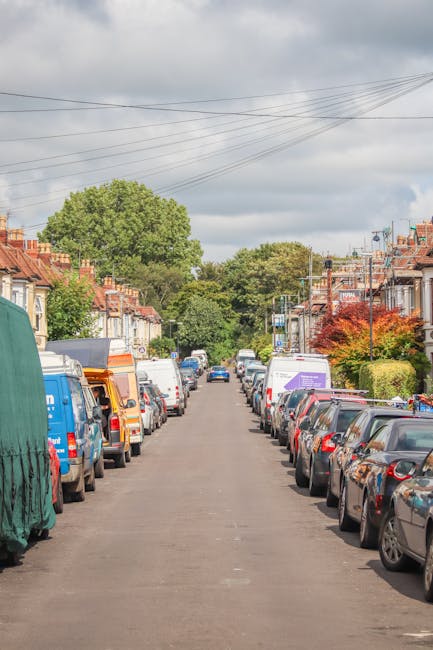
In a place like Honor Oak, access can change from street to street and sometimes from one end of the same road to the other. A lane that looks manageable on a quick visit may turn out to be awkward once parking, turning circles, low branches, resident bays, school traffic, or a parked car line are factored in. That is why thinking ahead matters so much.
If a van cannot get close enough, the whole move becomes slower and more tiring. Items may need to be carried farther, which increases the chance of damage and fatigue. Heavy pieces become harder to handle. Delays stack up. And people start improvising, which is usually where little problems become bigger ones. You can almost hear the tape tearing, boxes rubbing, and someone saying, "It'll be fine." Usually it is not fine for long.
Alternatives are important because they help you keep control. They let you choose the method that suits the property, the street, the type of items, and the time available. A good access plan is not about being cautious for the sake of it. It is about making the move simpler, safer, and less expensive in the long run.
For local moves, the surrounding context matters too. If you are near the station, close to the Horniman area, or dealing with the busier edges around Blythe Hill Fields, the best plan is often the one that reduces guesswork. A well-planned workaround can save an entire afternoon.
How When Honor Oak Lanes Block a Van: Alternatives Works
The basic idea is simple: if the van cannot access the property directly, you switch from a direct door-to-van move to a staged move. That may mean using a smaller vehicle, carrying items to a safer parking point, or moving in sections. The real skill lies in choosing the method that gives you enough efficiency without compromising safety.
First, you identify the restriction. Is it width, height, turning space, parking, weight limits, or something temporary like roadworks or a busy collection day? Then you decide whether the issue can be solved by a different van size or whether you need to change the whole approach. In some cases, a smaller removal vehicle gets you closer. In other cases, a larger van parked away from the lane is better, because it allows a cleaner load and fewer journeys overall.
The alternatives often fall into a few practical patterns:
- Smaller vehicle access: use a compact removal van or man and van setup where a full-size van would struggle.
- Shuttle loading: park legally nearby and use trolley runs or hand-carrys to bridge the gap.
- Split-load moving: move the most fragile or urgent items first, then return for the rest.
- Staggered timing: move at a quieter time when street congestion is lower.
- Short-term storage: keep some items in secure storage in Honor Oak if access or key handover creates a timing clash.
One thing people often overlook: the alternative is not just logistical. It also changes how you pack, label, and protect items. If your sofa is going on a longer carry than expected, it needs different handling. If your freezer is being moved separately, that needs its own prep. Small decisions. Big difference.
Good movers also think about the route in and out of the building. A narrow lane is one thing, but a tight stairwell or awkward courtyard can be just as limiting. That is where local knowledge and proper planning start to earn their keep.
Key Benefits and Practical Advantages
The main benefit of having alternatives is flexibility. Rather than forcing one method to fit every property, you choose a plan that suits the actual conditions. That sounds obvious, but on moving day it is surprisingly easy to forget.
Here are the most useful advantages:
- Less risk of damage: fewer collisions, fewer rushed lifts, and less chance of scraping walls, doors, or vehicle sides.
- Better time control: if one access route is blocked, a backup plan prevents the whole move from stalling.
- Lower physical strain: using the right load pattern keeps heavy lifting manageable, especially over longer carry distances. For some practical handling insight, see this guide on kinetic lifting techniques.
- More realistic budgeting: a well-chosen alternative can be cheaper than booking the wrong vehicle and then paying for delays or extra labour.
- Cleaner organisation: a staged move often works better for packing, room-by-room sorting, and fragile items.
- Less stress for everyone involved: when the plan is clear, people stop second-guessing each step.
There is also a quieter benefit: confidence. Once you know there is a workable fallback if the van cannot park right outside, the entire day feels less brittle. You can breathe a bit. Not much, perhaps, but enough.
If you are moving from a flat or a property with tricky access, it can also help to pair access planning with the right service type. A flat removals service in Honor Oak is often more suitable than a generic approach, because flats tend to bring stairs, shared entrances, and tighter timing windows into the mix.
Who This Is For and When It Makes Sense
This approach is for anyone whose property access is not straightforward. That includes residents on narrow roads, people moving from flats with limited parking, households with large items, and anyone who cannot safely position a van at the door.
It makes sense especially if you are dealing with one or more of these situations:
- A lane that is too narrow for a standard removal van
- Shared access or a tight turning point
- Busy parking conditions outside the property
- Large or awkward furniture that needs careful handling
- A same-day move with limited time to reshuffle plans
- A move involving both bulky and fragile belongings
- A property where direct unloading may block neighbours or traffic
Students often need this kind of planning too, which is why student removals in Honor Oak can be a smart fit for smaller loads and tighter budgets. Students rarely have the luxury of a huge driveway and an empty Saturday, do they?
Families moving house may need a more structured option. In that case, a broader house removals service in Honor Oak gives more room to plan around access, volume, and timing. Office moves can be different again, with building rules and business hours adding another layer.
The right choice depends on whether the challenge is mainly about the road, the building, or the load itself. That distinction matters more than people realise.
Step-by-Step Guidance
If you want a move to go smoothly when access is restricted, use a methodical approach. Nothing fancy. Just solid planning.
- Assess the lane and parking options. Walk the route if possible. Look at the width, corners, sightlines, and any signs that might affect stopping or unloading.
- Measure your largest items. Sofas, wardrobes, mattresses, pianos, and appliance pieces are the usual problem items. A single measurement can change the whole plan.
- Decide whether the vehicle should be smaller or parked further away. A compact van might fit better. A larger van may still be best if it can be parked legally nearby.
- Build a carry route. Check where boxes will be staged, which door will be used, and whether trolleys can pass safely.
- Pack by carry priority. Put the first-needed items together, and keep fragile or high-value items easy to identify. If you want a better packing structure, this guide on packing done right is worth a look.
- Protect items for longer handling. Extra wrap, blankets, and corner protection matter more when the carry is extended.
- Plan for labour and breaks. A longer carry means more fatigue. Build in small pauses before people start rushing and making odd choices.
- Choose a backup if access changes on the day. Roadworks, parked cars, or a neighbour's delivery can alter the route at the last minute.
A small but useful habit: keep the first few items near the exit once loading begins. That reduces the "where did we put the lamp?" scramble halfway through. A tiny thing, really. Still saves time.
If you have a particularly awkward item, such as a piano or a heavy cabinet, it is usually worth treating it as its own mini-project rather than lumping it in with everything else. For more detail, see piano removals in Honor Oak or read about the careful approach to moving a piano properly.
Expert Tips for Better Results
In our experience, the best moves are usually not the ones with the fanciest gear. They are the ones where the team has thought through the awkward bits before the kettle is boiled and the first box is lifted.
Here are a few field-tested habits that make a difference:
- Use the smallest practical van, not the smallest possible van. There is a balance. Too small and you create extra trips. Too large and you create access headaches.
- Keep a clean loading order. Heavy items first, fragile items protected, essentials last so they come off first.
- Confirm where the van can wait legally. "It should be fine" is not a parking strategy.
- Pre-decant or disassemble bulky items where sensible. A wardrobe that comes apart neatly is easier to manage than one carried in one clumsy piece.
- Use stronger packing for anything that will be carried farther than expected. More handling means more movement inside boxes, so fill voids properly.
- Tell neighbours early if the move may affect access. A little courtesy goes a long way in tight streets.
Another good habit is matching the service to the access risk. For example, if your move includes lots of furniture, a furniture removals service in Honor Oak may suit the job better than a bare-bones van hire style solution. That extra handling support can take some pressure off you.
And if you want to keep the day calm, read through efficient moving tips for less stress. It sounds simple, but a steady pace usually beats heroic last-minute effort. Every time, nearly.
Common Mistakes to Avoid
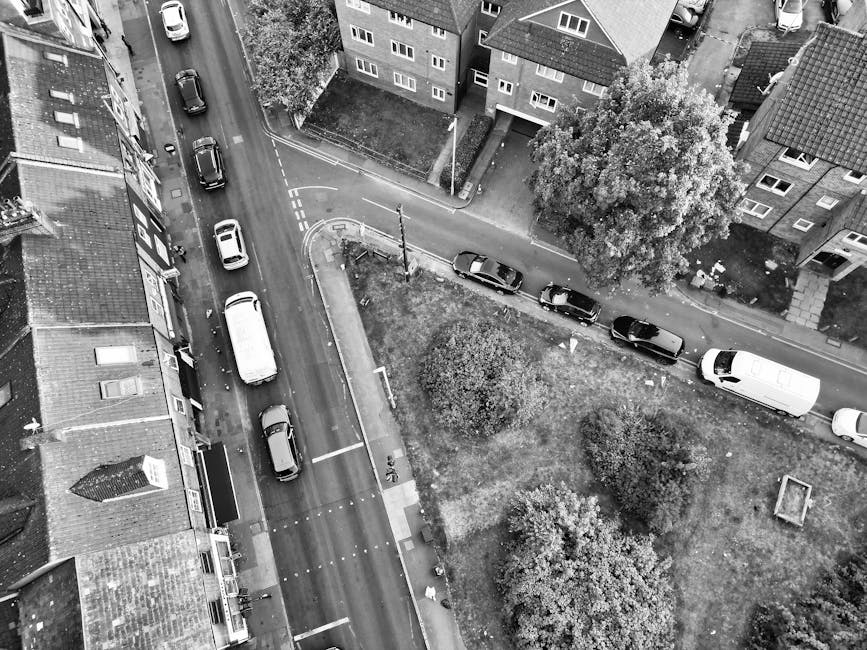
A lot of access problems are made worse by avoidable assumptions. The most common one is assuming the vehicle can just "find a spot." In dense residential areas, that's often the weakest part of the plan.
Other mistakes crop up all the time:
- Ignoring the width of the lane. Mirrors, wing space, and turning geometry matter as much as the body of the van.
- Forgetting about parked cars. A road that works at 8 a.m. may not work at 2 p.m.
- Not checking building restrictions. Some properties have rules around loading areas, lift use, or arrival windows.
- Packing too late. Late packing leads to disorganisation, and disorganisation leads to rushed carrying.
- Underestimating the carrying distance. A 20-metre carry can feel fine. A 60-metre carry after ten returns can feel very different.
- Choosing a van based only on price. Cheap is not cheap if it adds delays and stress.
There is also a sneaky one: poor decluttering. If you do not reduce the load before moving, you make every other problem harder. A thoughtful decluttering phase, like the one discussed in this decluttering blueprint, helps make access decisions clearer too.
Truth be told, the biggest mistakes usually happen when people try to solve everything on the fly. On move day, the clock gets louder. That is when a bad guess turns into an expensive lesson.
Tools, Resources and Recommendations
You do not need a van full of specialist equipment for every move, but a few practical tools make awkward access much easier to manage. The trick is to choose gear that supports the plan rather than complicates it.
Useful items often include:
- Furniture blankets for protection during longer carries
- Strong tape and labels for clear box identification
- Ratchet straps for securing large pieces in transit
- Moving dollys or sack trucks where the path allows
- Protective gloves for grip and hand safety
- Door and floor protection if the carry route is narrow or delicate
Preparation resources matter too. If you are moving house, a useful companion read is premoving-out cleanliness, because a tidy property makes access and loading more predictable. Likewise, cleaning before you leave helps reduce the chance of last-minute clutter blocking doorways.
For white goods, especially if you are not moving everything in one go, the right preparation is different again. If a freezer is part of the job, this guide on storing a dormant freezer properly is a sensible reference. And if a sofa is involved, the note on sofa storage and freshness can save you from avoidable wear.
If you are not sure what level of support you need, a good starting point is a broad services overview, followed by a look at removal services in Honor Oak. That helps you match the method to the property, rather than forcing the property to suit the method. Simple idea. Very effective.
Law, Compliance, Standards, or Best Practice
When access is tight, the practical side of moving is only half the story. The other half is safe, lawful, and considerate operation. You do not need to quote legal sections on moving day, but you do need to respect the basics.
In the UK, parking restrictions, loading rules, shared access arrangements, and building policies can all affect how a move should be handled. It is sensible to follow local signage, avoid blocking driveways or emergency routes, and check whether a property manager or landlord has specific instructions. If the lane is already congested, good practice usually means planning around peak times rather than assuming everything can be managed at the kerb.
Health and safety also matters. Safe lifting, good manual handling, and clear communication are not optional extras. They are what keep people uninjured and belongings intact. If you want a sense of the standards a professional team should be working to, the company's health and safety policy and insurance and safety information are worth reviewing before a booking.
There is a trust angle as well. Payment handling, complaints routes, terms, and data privacy should all be clear enough that you know who is responsible for what. Those pages are not exciting, admittedly, but they are part of a reliable service. A move feels much calmer when the paperwork is tidy. Funny how that works.
If sustainability matters to you, it is also sensible to think about what happens to unwanted items. A move often creates waste through old boxes, broken flat-pack furniture, or pieces you no longer want. Using a provider that takes recycling and sustainability seriously helps keep the move cleaner and less wasteful.
Options, Methods, or Comparison Table
Here is a straightforward way to compare the most common alternatives when a lane blocks direct van access.
| Option | Best for | Strengths | Trade-offs |
|---|---|---|---|
| Smaller van | Narrow lanes and tight turns | Easier access, simpler parking | May need extra trips if the load is large |
| Shuttle loading | When parking is nearby but not at the door | Flexible, can work around restrictions | More manual carrying, slower overall |
| Split-load move | Mixed priority items or phased handovers | Good for timing and organisation | Needs careful coordination |
| Storage first | Delayed keys, access clashes, uncertain timing | Reduces pressure on the main moving day | Extra handling and storage planning |
| Specialist item handling | Pianos, oversized furniture, delicate items | Safer for heavy or awkward pieces | Usually needs more planning and expertise |
For a busy road in Honor Oak, shuttle loading is often the quiet hero. Not glamorous, but it works. If you already know your route will be limited, a service such as man and van in Honor Oak can be a sensible middle ground between cost and flexibility.
If you need stronger support for a full property move, removals in Honor Oak may be the better fit, especially when packing, carrying, and access management all need to happen together.
Case Study or Real-World Example
Imagine a second-floor flat near a narrow residential lane in Honor Oak. The residents have a sofa, a bed frame, several boxes, a desk, and a fridge freezer. A standard-size van cannot safely position itself at the property entrance because the lane is tight and partially blocked by parked cars.
The solution is not to force the van into the space. Instead, the move is broken into three parts. First, the team parks legally on a wider road a short walk away. Second, they prioritise the bulky items that need the most care: the sofa, bed frame, and fridge freezer. Third, smaller boxes are moved in grouped runs so nobody wastes energy on random trips with half-full hands and no system.
The result is slower than a perfect drive-up move, of course. But it is still efficient. No damage. No blocked neighbours. No one trying to angle a mattress round a car mirror in a moment of optimism. And the customer can still get unpacked the same day because the job is organised, not improvised.
This is exactly where the right preparation pays off. If the packing has been done well, the team can load in a sensible order. If fragile items are boxed properly, there is less risk during the longer carry. If the route has been checked, the day stays calm. Not effortless - just calm. Which is much better.
Practical Checklist
Use this checklist before the van arrives, especially if you suspect the lane may block access.
- Measure the largest items and note any awkward angles.
- Check the lane width, bends, and likely parking spaces.
- Confirm whether a smaller van would improve access.
- Plan the walking route from vehicle to property.
- Protect floors, doors, corners, and furniture.
- Pack essential items separately for quick access.
- Label fragile boxes clearly and keep them together.
- Decide in advance whether anything needs temporary storage.
- Tell neighbours or building management if access may be affected.
- Keep a backup plan in case parking is taken.
- Review safety and handling requirements for heavy pieces.
- Have water, tape, markers, and a phone fully charged. Sounds basic, but people forget this all the time.
If you are moving a lot of belongings from a flat, it can also help to review a local checklist for Honor Oak Park Station moves or parking tips for Blythe Hill Fields access. Those local notes can make the difference between a smooth start and a frustrating one.
For students, a lighter-weight version of this checklist pairs well with stress-free moving tips, especially when budgets are tight and time is tighter.
Conclusion
When a lane blocks a van, the answer is not panic. It is adjustment. The best alternatives are the ones that respect the actual conditions on the ground: street width, parking availability, carry distance, item size, and the amount of time you really have. Once you stop trying to make one van fit every scenario, the whole move becomes easier to manage.
Sometimes the right answer is a smaller vehicle. Sometimes it is a parked-away shuttle run. Sometimes it is a proper removals plan with storage, packing, and specialist handling built in. There is no single magic fix, but there is nearly always a sensible one.
To be fair, that is the heart of a good move in Honor Oak: practical choices made early, not clever improvisation made late. And when you get that part right, the rest tends to fall into place.
Get a free quote today and see how much you can save.
If you are planning a move in a tight street, a busy lane, or a tricky access property, taking an extra ten minutes now can save a long, awkward afternoon later. That is worth doing. Every time.